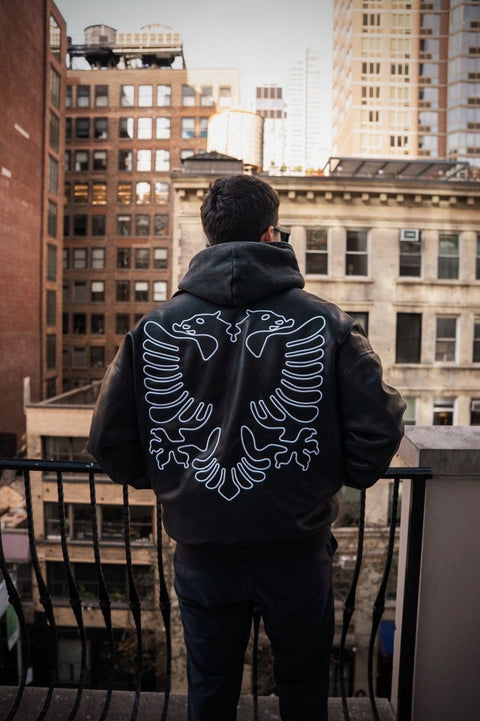
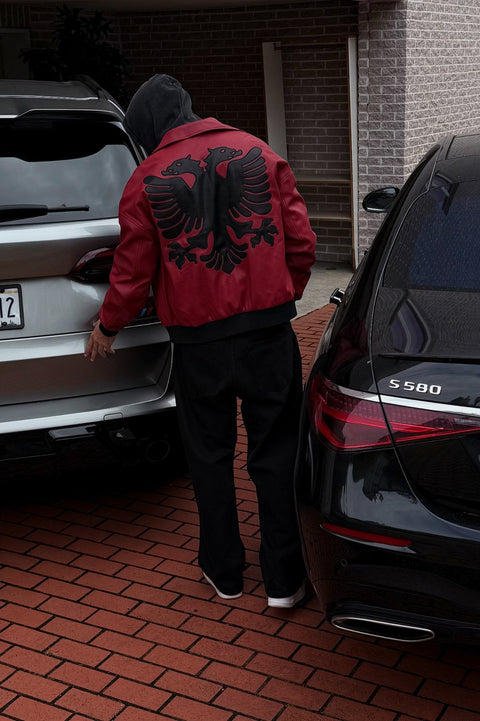
Walk through any Albanian neighborhood, from Pristina to New York City, and you'll see it: the double-headed eagle flying high on hoodies, t-shirts, and caps. But Albanian clothing didn't start with streetwear. It started centuries ago, with hand-embroidered vests, intricate qeleshe caps, and garments that told stories of honor, region, and family. Today's Albanian fashion movement isn't abandoning that legacy, it's wearing it louder than ever. Here's how we got from the mountains of the Balkans to the streets of the diaspora.
The Roots: Traditional Albanian Clothing Through the Centuries
Before there were hoodies, there were tirqe (baggy trousers), xhubleta (bell-shaped skirts), and fustanella (pleated kilts worn by men). Albanian traditional clothing wasn't just fashion, it was identity. Every region had its own style:
- Kosovo & Northern Albania: White felt qeleshe caps, vests with gold embroidery, and wool garments built for mountain winters
- Gheg Regions: Heavy on silver ornaments, leather belts, and layered outerwear, practical, protective, proud
- Tosk & Southern Areas: Fustanella for men, elaborate headpieces for women, vibrant colors signaling celebration
- Malësia Highlanders: Warrior aesthetics, crossbelt bandoliers, wool capes, and garments that could survive both weddings and battles
These weren't costumes. They were uniforms of culture, passed down through generations, worn at weddings, festivals, and moments of national pride. The craftsmanship was insane, hand-stitched embroidery, woven wool, metalwork that took weeks. Every stitch carried meaning.
The Shift: How War, Migration, and Modernity Changed Albanian Fashion
Then came the 20th century. Wars, communist regimes, and mass migration scattered Albanians across the globe. Traditional dress became something you wore at weddings or cultural events, not every day. The diaspora grew up in Western cities, blending in but never forgetting where they came from.
By the 2000s, a new generation emerged. Kids who grew up hearing Albanian at home but rocking Jordans and Supreme on the streets. They wanted to rep their heritage, but traditional xhubleta wasn't going to cut it at school or the club. The question became: How do you honor your roots while living in the modern world?
Enter the Albanian Streetwear Movement
Around the 2010s, Albanian pride went mainstream. Instagram became a visual album of red and black flags, viral videos of valle dances, and, crucially, people started designing gear that screamed Albanian without looking like a museum exhibit. Streetwear was the answer.
Hoodies with the double-headed eagle. Caps embroidered with "Shqipe" or regional maps. T-shirts blending Albanian symbolism with modern graphics. It was heritage you could wear to the gym, to class, to a protest, to a party. Albanian fashion finally had a bridge between old and new.
What Makes Albanian Streetwear Different?
Albanian streetwear isn't just slapping an eagle on a shirt and calling it a day. It's about intentionality. Here's what sets it apart:
- Symbolism with purpose: The double-headed eagle isn't a trend, it's a 600-year-old emblem of freedom and resilience. When you wear it, you're carrying that weight.
- Regional pride: Designs that shout out Kosovo, Chameria, Malësia, or Tirana, because Albanian identity is diverse, and streetwear reflects that.
- Quality over hype: No fast fashion garbage. Albanian streetwear brands know their audience expects durability, just like those hand-stitched vests from back in the day.
- Community-first mentality: Buying from an Albanian brand supports the culture, the hustle, the dream. It's not just commerce, it's kinship.
Check out our Albanian Eagle Collection to see how we blend these elements into every design, modern cuts, timeless symbols, all day wearability.
The Cultural Significance: Why This Matters Beyond Fashion
Let's be real: for decades, Albanians were invisible in mainstream fashion. We didn't see ourselves in ads, runways, or global brands. Albanian clothing today is an act of reclamation. It's saying, "We're here, we're proud, and we're not waiting for permission to celebrate who we are."
When a kid in the diaspora wears an Albanian hoodie to school, they're doing what their grandparents did with embroidered vests, proclaiming identity, honoring ancestors, building pride. The medium changed. The message didn't.
Stories from the Community
One customer told us they wore their Hajde Zemer hoodie to a college mixer and instantly connected with three other Albanians they didn't even know were there. Another said their grandfather, who fought in the mountains in the '90s, teared up seeing his grandson wear the eagle with the same pride he once did. These aren't just clothes. They're heirlooms in the making.
Where Albanian Fashion Goes Next
The movement is just getting started. We're seeing:
- Collaborations with global streetwear brands that respect the culture (no appropriation, real partnerships)
- Sustainable materials and ethical production, because honoring heritage means protecting the future
- Expansion beyond hoodies and tees, think athleisure, accessories, even reinterpretations of traditional elements in high fashion
- More women-led Albanian fashion brands bringing fresh perspectives to design and storytelling
Our Heritage Hoodies line is part of that evolution, classic silhouettes, modern fits, symbols that span generations. Because the best way to preserve culture is to wear it forward.
Rock Your Roots, Build the Future
Albanian clothing has come a long way from hand-woven wool in mountain villages to globally shipped streetwear drops. But the core remains the same: pride, resilience, community. Whether your family is from Pristina or Peja, Tirana or New York City, there's power in wearing your heritage out loud.
The evolution isn't over. Every hoodie sold, every eagle worn, every conversation started because someone asked "What does that symbol mean?", that's the next chapter. And you're writing it.
Ready to rep your roots? Shop Albanian Streetwear Collection and join the movement. Built for the culture. Worn with pride. Hajde, zemer.